
Why Communication Between Departments Is the Missing Link in Modern Education
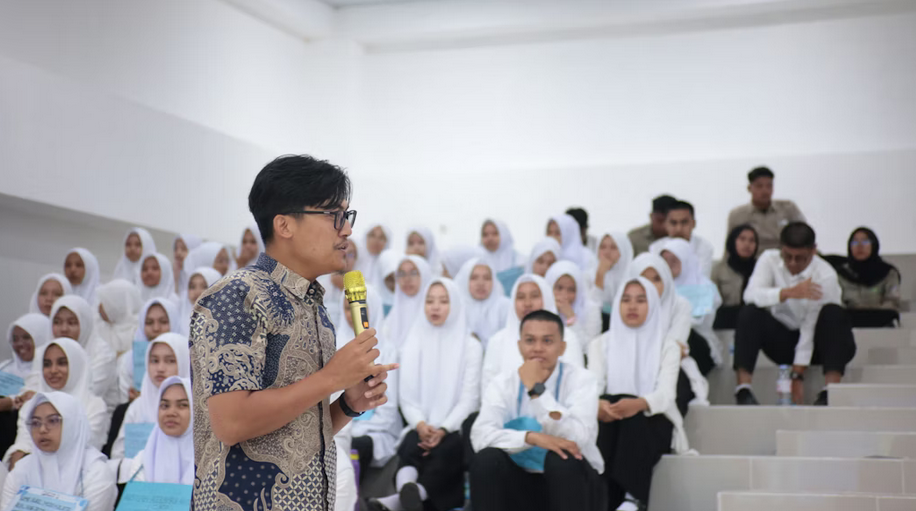
Education today is more complex than ever, with teachers, administrators, counselors, and support staff each playing specialized roles. While each department excels in its own right, the lack of seamless communication between them often prevents schools from functioning at their full potential. When departments operate in silos, valuable insights and collaborative opportunities are lost, ultimately affecting student experiences and learning outcomes.
Streamlining Coordination
Schools aiming for better collaboration can benefit immediately because Deliberate Directions recommends creating structured communication channels that ensure all departments stay aligned on priorities, resources, and student needs. Schools that adopt these practices find it easier to coordinate events, share student progress, and respond proactively to challenges. By providing a framework for consistent collaboration, institutions can move from reactive problem-solving to proactive planning, benefiting both staff and students.
Breaking Down Silos to Enhance Learning

Departments often develop their own processes, goals, and schedules, which can inadvertently create barriers to collaboration. When communication flows freely, these silos dissolve, allowing teachers and staff to share strategies, align curriculum goals, and collectively support student development. A unified approach ensures that students receive consistent guidance and that no critical information is lost in translation.
Improving Student Support Services
Counselors, learning specialists, and extracurricular coordinators often hold crucial information about student needs, but if that information is not communicated effectively across departments, interventions can be delayed or inconsistent. Transparent communication ensures that support services complement classroom instruction and that students receive the help they need in a timely and coordinated manner.
Facilitating Professional Development
Collaboration between departments also enhances professional growth. Teachers can learn from support staff about behavioral strategies or from administrators about data-driven decision-making. Cross-department discussions encourage the sharing of best practices, inspire innovative approaches, and create a more cohesive professional community within the school.
Leveraging Technology to Connect Departments
Modern education offers a wealth of digital tools that can make interdepartmental communication seamless. Platforms for shared calendars, student management systems, and collaborative document editing allow staff to access the same information in real time. When technology is used effectively, departments can coordinate schedules, track student progress, and exchange updates without relying solely on meetings or emails. This not only saves time but also ensures that important information is available to everyone who needs it, creating a more connected and efficient school environment.
Enhancing Administrative Efficiency

Administrators rely on accurate information from various departments to make strategic decisions. When communication is fragmented, decisions may be delayed or based on incomplete data. Strengthening interdepartmental communication ensures that school leaders have a comprehensive understanding of operations, enabling them to allocate resources more effectively and plan initiatives with greater confidence.
Encouraging a Culture of Collaboration
Ultimately, open communication fosters a school culture built on collaboration rather than isolation. Staff members who feel connected and informed are more likely to contribute ideas, provide feedback, and work collectively toward shared goals. This culture not only improves daily operations but also models the value of teamwork for students, preparing them for collaborative environments beyond the classroom.
Communication between departments is no longer optional in modern education—it is a foundational element for student success, staff efficiency, and institutional growth. By creating intentional channels for collaboration, breaking down silos, and fostering a culture of openness, schools can transform their operations and enhance learning experiences. When departments work in sync, the entire educational ecosystem becomes stronger, smarter, and better equipped to meet the evolving needs of students.…

 But if you’re more interested in working directly with patients, the Dental Hygiene – Degree Completion Programme at Northern Arizona University might be a better fit. This program is designed for those with an associate’s degree in dental hygiene. It’s also one of the most affordable online programmes available, and it can be completed entirely online. So if you’re looking to advance your career without spending a lot of money, this is the program for you.
 One of the most common concerns about homeschooling is that kids will miss out on important socialization opportunities. While it is true that homeschooled children may not have as many chances to interact with their peers, there are plenty of ways to ensure that they still get adequate socialization. There are homeschool groups and co-ops where kids can interact with other homeschooled children, and many families make an effort to have their kids involved in extracurricular activities like sports or scouting. With a little effort, homeschooled kids can still have plenty of opportunities to socialize. However, there are cases in which homeschooled children do end up feeling isolated from their peers. This is something that can affect the children’s social development and is something that should be considered before homeschooling your kids.
 Lastly, homeschooled kids may have fewer opportunities to explore their







 Having struggled and eventually earning a college degree will make you proud of your accomplishments. A lot of people today juggle family, work and other personal activities. Therefore, for you to earn a degree in the midst of all that, will always bring some sense of satisfaction and relief having known all that you have gone through for you to get what you have.